SSC

Social Media
Social

The Hidden Psychology Of Social Media

SSC Blog

consultwithssc

Our daily lives are significantly impacted by social media. From scrolling through Instagram to liking a tweet or sharing a part of our lives online, we interact with digital content constantly.

But have you ever wondered why we engage with certain posts and ignore others? What triggers us to hit the โ€˜likeโ€™ button, share a meme, or follow a brand? The answer lies in the hidden psychology of social media, a complicated network of social clues, emotional reactions, and biases that shape our behavior online.

The power of social proof: why we follow the crowd

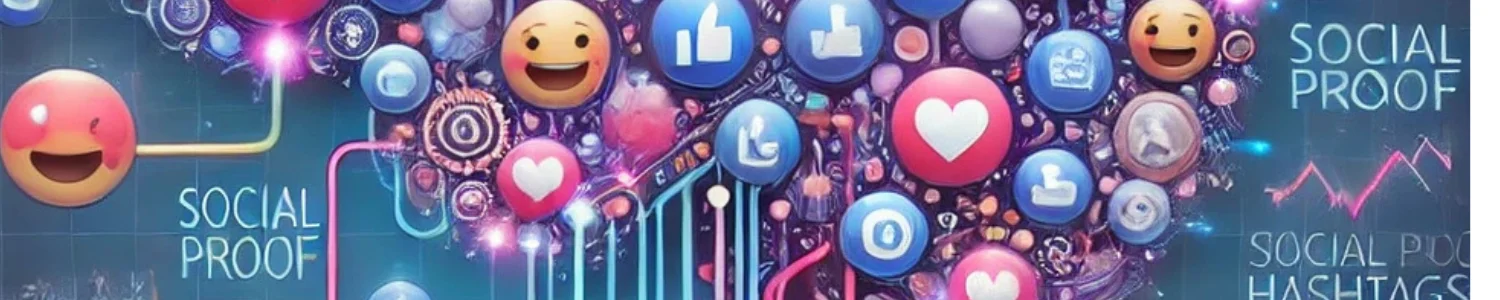
Social proof is one of the main psychological factors influencing social media engagement. This concept, rooted in human nature, refers to our tendency to follow the actions of others. When we see a post with hundreds of likes, comments, or shares, our brains tell us, โ€˜This must be good!โ€™ We assume that if many people like something, itโ€™s worth our attention too.ย 

How Social Proof Influences Social Media Behaviour:

Popularity Bias:ย Posts that receive a lot of likes, shares, and comments are more likely to get more attention. The more interaction a post receives, the more probable it is that people will interact with it.ย 

Influencer Power: People are more likely to follow influencers or brands with a large following because social proof signals credibility and trustworthiness.ย 

Trend Following: If something is trending, we want to be part of it. From viral hashtags to challenges, social proof is a powerful force in the digital world.ย 

For brands and creators, understanding the role of social proof can help craft content that encourages interaction and boosts visibility. Youโ€™re not just appealing to your audienceโ€™s interests, youโ€™re also tapping into their instinct to follow the crowd.ย 

joshua-rawson-harris-BRjuadSPrM4-unsplash
declan-sun-96-QVijBLi0-unsplash

The emotin-driven click: why we like content that makes us feel

One major factor influencing social media participation is emotion. We donโ€™t just like posts because we find them visually appealing or informative, we like them because they make us feel something. Whether itโ€™s joy, surprise, anger, or inspiration, emotional content creates a connection that drives action.ย 

How Emotions Influence Our Social Media Interactions:

Positive Emotions: Content that evokes happiness, humour, or awe is more likely to be shared. Joy, surprise, rage, or inspiration are examples of emotional content that forges a bond that motivates action.ย 

Anger and Outrage: In some cases, content that triggers strong negative emotions like outrage can go viral. We share it to express frustration or rally behind a cause.ย 

Nostalgia: Posts that remind us of our past, especially shared cultural experiences or childhood memories, spark a sense of connection. We like these posts because they resonate with our deeper emotions.ย 

For marketers, the key takeaway is clear: emotional resonance is more powerful than simply presenting facts. Whether youโ€™re sharing a heartwarming story, an inspiring quote, or a funny meme, creating content that stirs emotions will drive higher engagement.

The power of social proof: why we follow the crowd

The feeling of being the last to learn about a trend, event, or piece of news is something weโ€™ve all experienced. One of the strongest psychological triggers on social media is FOMO, or the fear of missing out. Itโ€™s a powerful motivator that pushes people to engage with content quickly, follow accounts, and participate in trends so they donโ€™t feel left behind.ย 

How FOMO Drives Engagement:

Exclusive Content:ย People are more likely to engage with content that feels exclusive, whether itโ€™s early access to a product, limited-time offers, or insider information.ย 

Limited Availability: Presenting a product or event as limited (e.g. Only a few spots left!) triggers FOMO and prompts quick action.ย 

Social Validation: Seeing others participate in a trend or challenge makes us feel like weโ€™re missing out if we donโ€™t join in.ย 

Including elements of FOMO into your content strategy can boost urgency and encourage quicker engagement. Whether itโ€™s creating countdowns, offering limited-edition products, or joining trending conversations, FOMO can make your content irresistible.ย 

Related Post

Lorem ipsum dolor sit amet, consectetur adipiscing elit, sed do eiusmod tempor incididunt ut labore et dolore magna aliqua. Ut enim ad minim veniam, quis nostrud.